
Damara Sheep Breeders Society of South Africa
The Damara is a remarkable breed of domestic sheep with ancient roots in Eastern Asia and Egypt, which later migrated down to Namibia and Angola. For generations, these sheep thrived in isolation in northwestern Namibia (Kaokoland) and southern Angola, herded by local Himba and Tjimba communities. Their name comes from the historic region once known as Gross Damaraland.

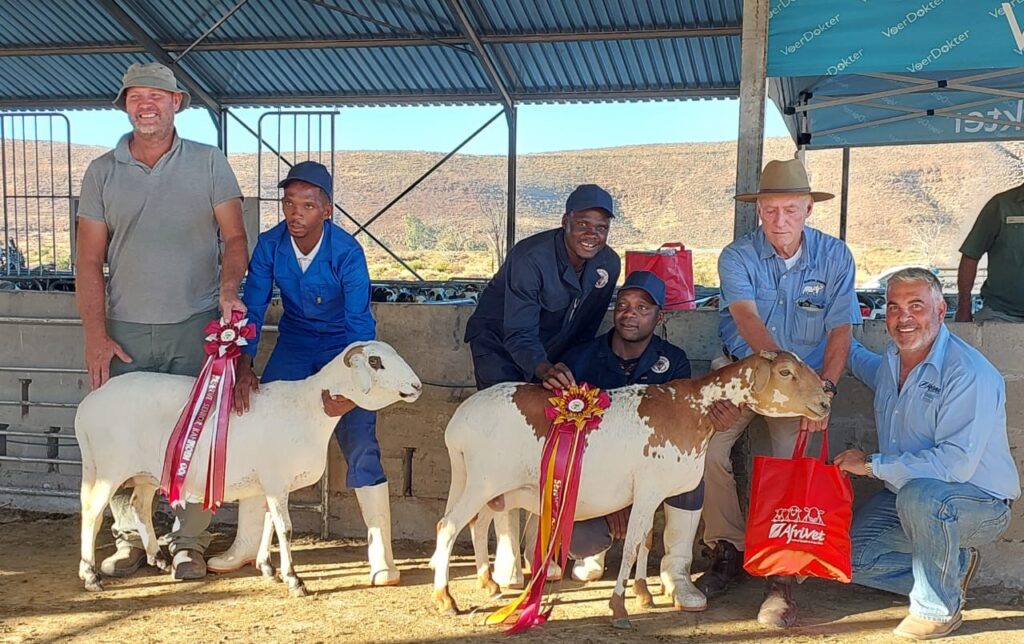

Did you know?
Survivors by nature
Exceptionally tough and adaptable,they thrive under harsh conditions with limited water and poor grazing.
Survivors by nature
Exeptional Mothers
Strong flock instinct
High Fertility
Rams
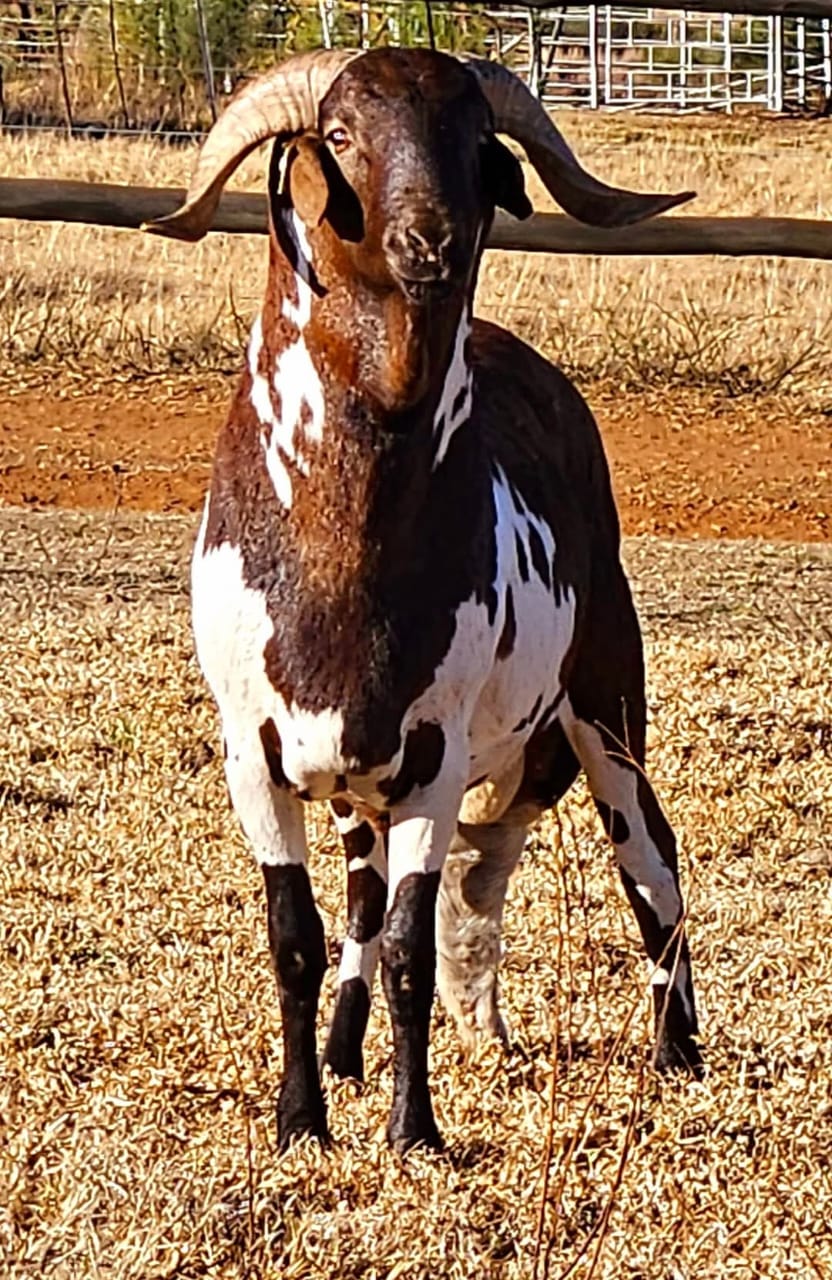
Rams often have a distinctly nose and large spiral horns.
Ewes
Ewes may be polled or have small horns.

What we do
Damara Sheep Breeders Society
The Damara is more than just a sheep — it symbolizes adaptability, resilience, and sustainable farming in Africa. Our society connects breeders, researchers, and enthusiasts who are passionate about preserving and promoting this unique breed. Explore our website to learn more about our work, how to become a member, and why the Damara is the ideal choice for both commercial and sustainable sheep farming.
Breedeing standards
Our society upholds strict standards to preserve the unique traits and quality of the Damara breed.
Breeder Networks
We connect breeders across South Africa to share knowledge, resources, and breeding expertise.
Auctions and Marketing
We support members with auction access and marketing tools to grow their Damara enterprises.
Stud breeder data
Gain access to verified stud records and performance data to improve your breeding decisions.
Watch Us
Nampo 2025
Upcoming events & Auctions

24 April 2027
African legacy collection
Nasionale Damara Veiling
Damaras & Indigenous Goats
Fire & Wine Venue | Pretoria
TBA

TBA


FAQs
Your Questions
Answered

1. What makes the Damara sheep unique compared to other breeds?
The Damara is one of the oldest indigenous sheep breeds in Southern Africa, known for its fat tail, natural disease resistance, and ability to thrive in arid, low-input environments. Its adaptability and resilience make it ideal for sustainable and extensive farming systems.
2. Is the Damara a good breed for commercial meat production??
Yes. The Damara produces high-quality, lean meat with excellent flavor. Its low maintenance needs and ability to graze on sparse vegetation make it a cost-effective option for commercial meat producers, especially in dry regions.
3. Do Damara sheep require intensive care or special feeding?
No. One of the Damara’s greatest strengths is its low input requirement. These sheep are hardy and naturally resistant to many diseases and parasites, which reduces the need for antibiotics or supplementary feeding under normal conditions.
4. What colors are allowed in the Damara breed?
The Damara is known for its wide variety of natural colors, including solid white, black, brown, red, or multi-colored combinations. All natural color patterns are acceptable under the breed standards, making the Damara visually distinctive.
5. Can Damara sheep be crossbred with other breeds?
Yes, although they are often kept pure due to their unique genetics and traits. When crossbred, they can improve hardiness and adaptability in other breeds, but careful selection is needed to preserve desired characteristics.
Achivements
Oldest Indigenous Sheep Breeds in Southern Africa
Carcass dressing
fewer internal parasites
fertility rates
Our Blog
Insights, Stories and Knowledge from Africa’s toughest Sheep
The Spring Shed: How the Damara’s Coat Works With the Seasons
Spring brings warmer days, longer hours of sunlight and fresh growth across...
Spring Brings Opportunity: Making the Most of Nature’s Renewal
Spring transforms the landscape. The veld begins to recover, temperatures...

Preparing for Spring Starts Before Spring Arrives
Many farmers think spring preparation begins in September. Successful farmers...