
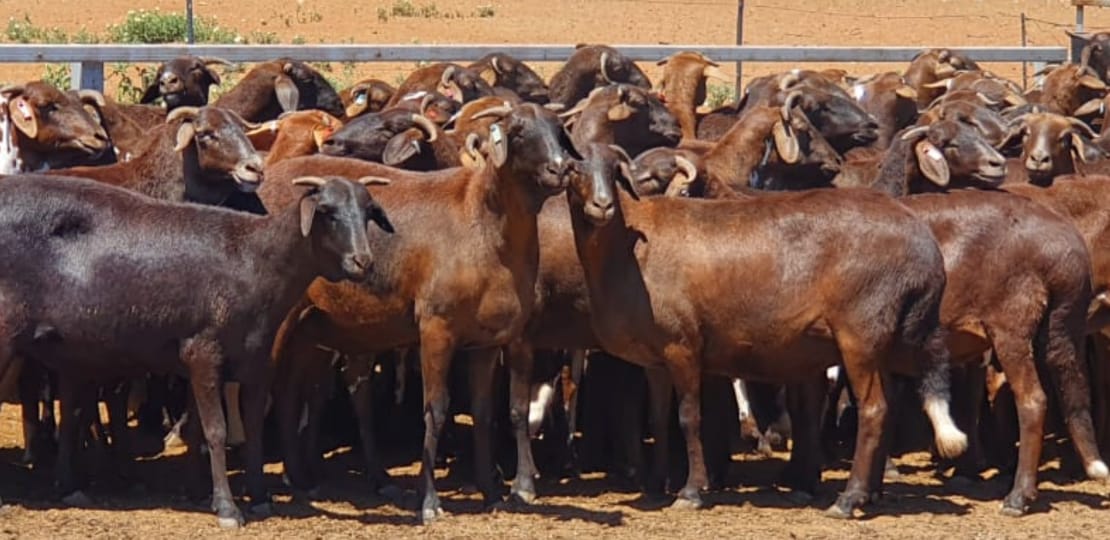
Winter can be one of the most challenging seasons for livestock farmers. Grazing becomes scarce, temperatures drop, and animals that lack resilience often lose condition.
Yet across many Southern African farms, Damara sheep continue to perform reliably through the colder months.
1. Natural Winter Resilience
The Damara’s origin in harsh environments has equipped the breed with exceptional resilience.
Their fat-tail energy reserves help them maintain body condition even when winter grazing becomes limited.
This allows them to cope far better than many conventional sheep breeds.
2. Lower Winter Feeding Costs
Supplementary feeding is one of the biggest winter expenses for farmers.
Because Damaras utilise veld more efficiently and store energy reserves, many farmers report significantly lower winter feeding requirements compared to other breeds.
This makes the Damara particularly valuable in extensive farming systems.
3. Maintaining Condition During Harsh Weather
Condition loss during winter often leads to delayed breeding cycles and weaker lamb crops.
Damara sheep tend to maintain body condition better during colder months, ensuring that the flock remains productive and ready for the next breeding season.
4. Strong Flock Health
Winter can also increase disease risk in livestock.
The Damara’s natural resilience helps maintain flock health, reducing stress and the need for medical intervention during colder conditions.
5. A Breed That Works With Nature
Modern farming increasingly requires breeds that align with natural systems rather than fighting against them.
The Damara’s adaptability to seasonal change allows farmers to work with their environment instead of relying heavily on artificial inputs.
When winter arrives, the Damara continues doing what it does best: thriving under real farming conditions.